
From the archive: one of Sabina’s original journal posts from our earlier website, kept just as she wrote it.
Designing a modern kitchen goes beyond choosing furniture or appliances. It is about creating a space that harmoniously combines aesthetics, functionality and technology. It is an area in which comfort and efficiency are two essential pillars. From the use of cutting-edge materials to the application of intelligent solutions, the modern-style kitchen has become a key element in a contemporary home. In this guide, we’ll give you a clear overview of the essential components, the most popular styles and the most sustainable options for this style of kitchen.
Simple and functional designs
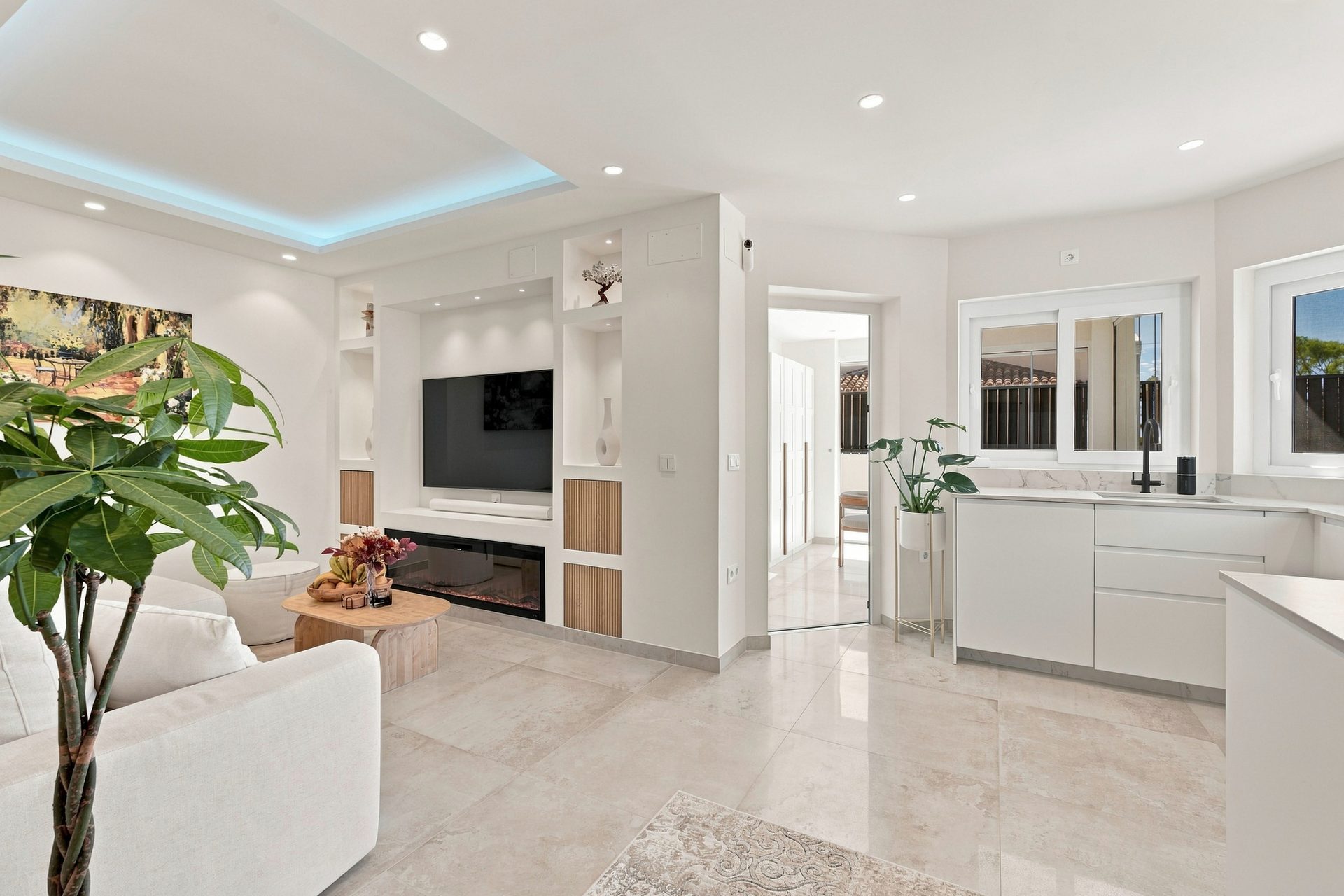
The essence of the modern kitchen lies in simplicity. Uncluttered designs, straight lines and practical layouts are extremely important to optimise the use of space. An open-plan kitchen that connects to the living or dining room creates a feeling of spaciousness, but also contributes to improved conviviality. Also, arranging work areas in a hierarchy of functional patterns improves daily efficiency.
Durable, low-maintenance materials
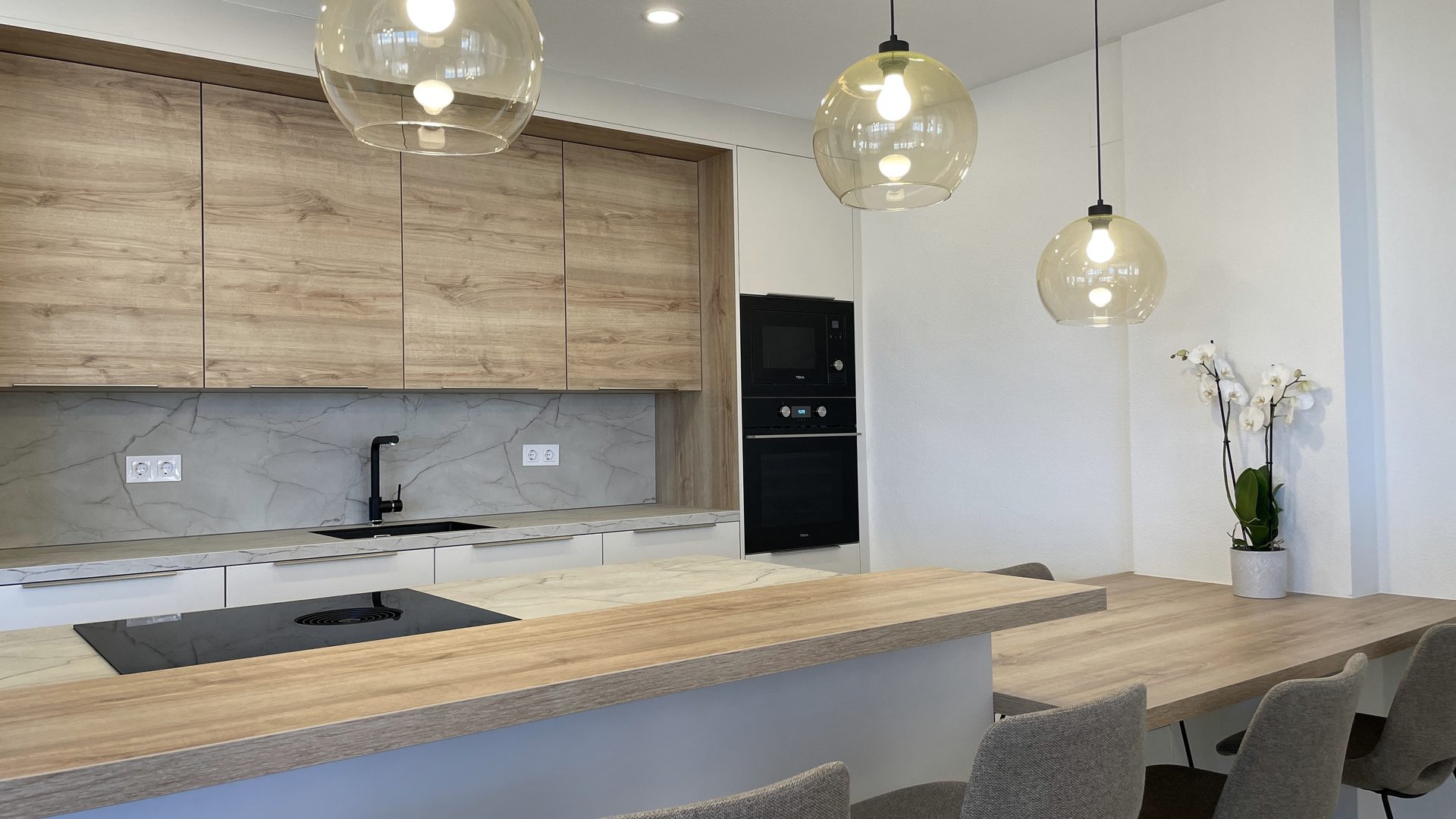
High-quality materials are indispensable in a modern kitchen. Quartz or stainless steel surfaces guarantee durability and a flawless finish. Treated wood or matt laminates can also provide a warm feel without compromising on practicality. Opting for materials that are easy to clean and that manage to retain their appearance over time is vital.
Integrated technology
Technology is an integral part of any modern kitchen. From smart fridges to ovens that can even be controlled from a mobile phone, technological solutions are essential for adding a touch of innovation, as well as making everyday life easier. Add-ons such as adjustable LED lighting or concealed sockets help to promote optimum functionality.Key elements in modern kitchens
Modern kitchen design prioritises not only appearance, but also efficiency and comfort. The key elements that define this style go beyond aesthetics. The preponderance of functionality and the use of high quality materials is fundamental. These are some of the key aspects that transform a traditional kitchen into an avant-garde and fully adapted space.
Popular styles of modern kitchens
There are multiple influences that set the tone for modern kitchen design. Each style brings its own personality to a space that should be practical, but also attractive. Here are the most popular styles, so you can find the option that best suits your tastes and needs.
Scandinavian, industrial and mid-century influences
Scandinavian style stands out for its simplicity and its ability to connect with nature, mainly through the use of light colours and materials such as wood. Industrial design introduces elements such as metal, brick and other finishes in dark tones, ideal for those with a daring character. For their part, kitchens inspired by mid-century style integrate functionality with a retro design, with furniture in curved shapes and vibrant colours.
Current colour trends
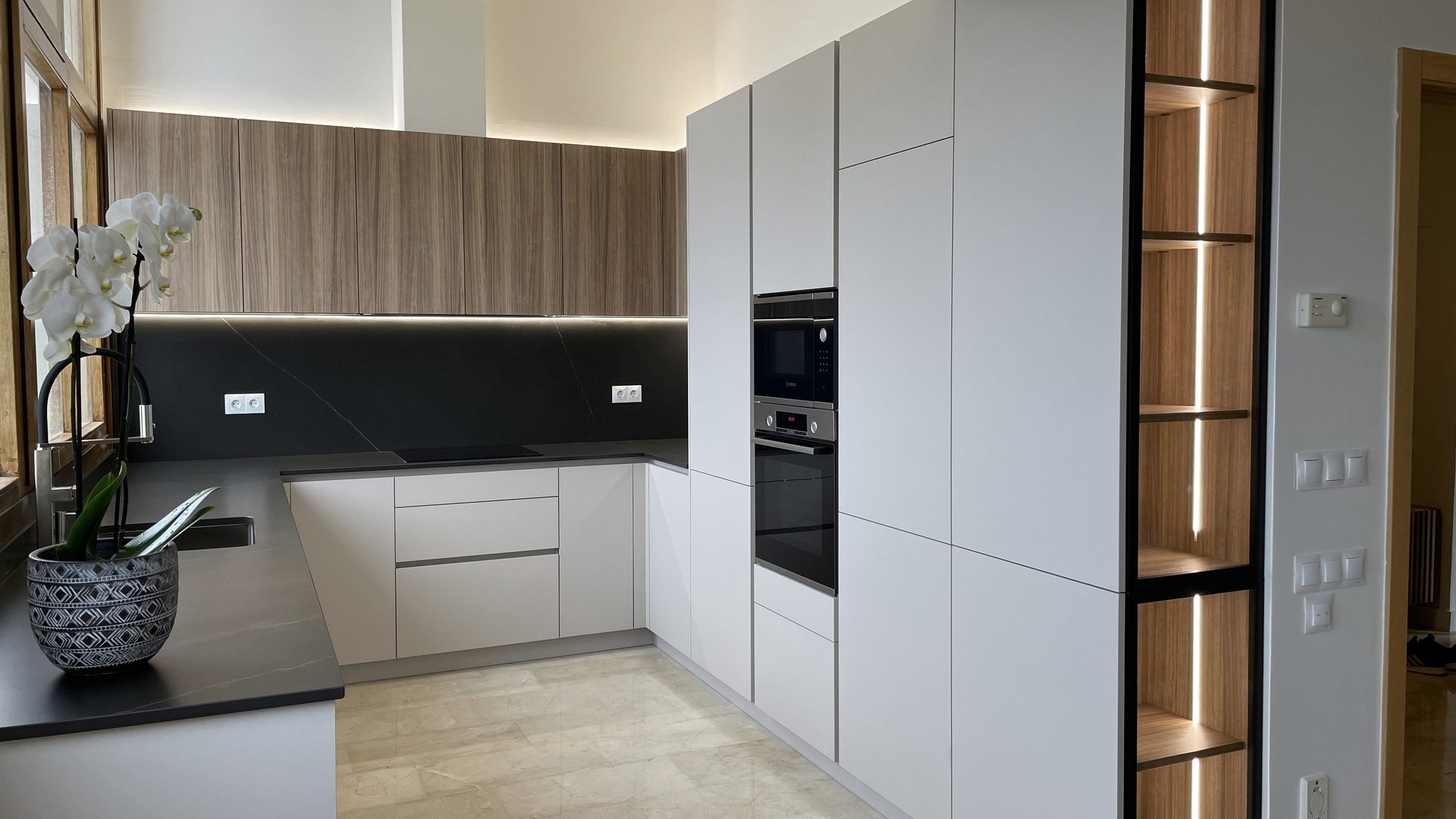
The colour palette of modern kitchens is constantly evolving. The aim is to produce an impression of tranquillity and harmony, as well as an effect of spaciousness and exclusivity. Neutral tones such as white, grey or beige are still the most popular, but others such as matt black or earth tones are gaining in popularity. Combining these colours with some metallic details or textiles in warm tones can add a distinctive touch.
Make your kitchen greener
Sustainability has become an essential pillar of modern design. Building an eco-friendly kitchen involves not only choosing responsible materials, but also incorporating certain practices that promote energy efficiency and resource savings. In this section, you can find some ideas and solutions to make your kitchen sustainable without sacrificing style or functionality.
Sustainable materials and energy savings
Sustainable design is not just a trend, it is a necessity. Recycled materials help to reduce environmental impact. This can be achieved by using elements such as glass worktops or furniture made from certified wood. Energy-efficient appliances and efficient faucet systems can be added to the kitchen to minimise water waste. This approach will not only help to improve the planet, but will also have a positive impact on your economy.
Final tips for designing your modern kitchen
To create a modern kitchen that stands out, it is essential to prioritise a balance between design and functionality. It is important to make the most of natural light and incorporate artificial lighting that highlights the main materials and colours, as well as personalising the space with other unique details, such as handles, open shelving or small decorative plants. Above all else, though, investing in quality is a must: durable materials and appliances are key to maintaining style over time.
By applying these ideas, you can transform your kitchen into a space that effectively combines the beauty of a modern kitchen with innovation and sustainability, ideal for everyday life. From DCID, interior designers in Marbella, we help you to implement the best modern design for your kitchen.